Red Light Therapy Devices: Improve Your Skincare Game
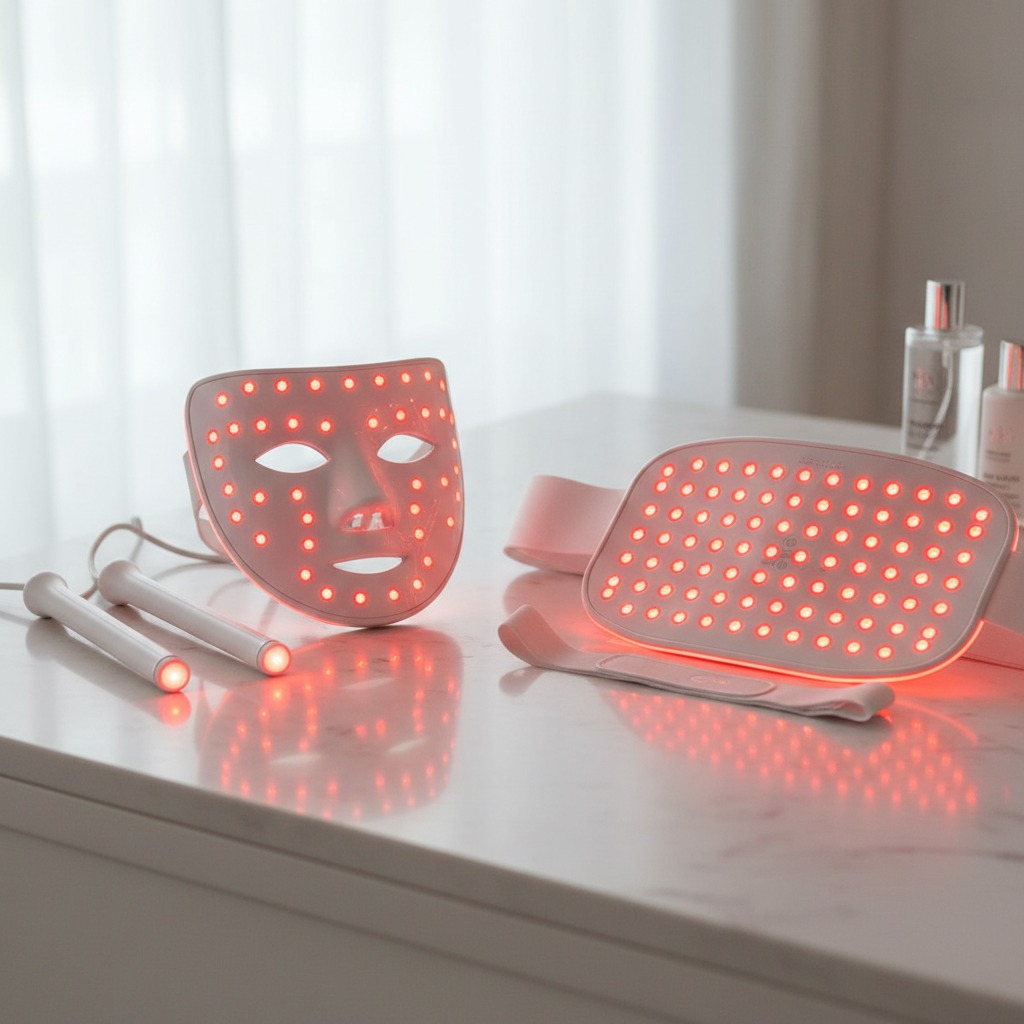
Red light therapy devices have become increasingly popular for people looking to improve their skincare routine, support healthier-looking skin, and address visible signs of aging at home. From LED face masks and handheld wands to full-body panels and red light therapy wraps, these devices use specific wavelengths of light to interact with the body’s cells.
Red light therapy, also known as photobiomodulation, is a non-invasive treatment that may help improve the appearance of fine lines, support skin elasticity, and promote certain cellular processes associated with skin health. Some devices are designed specifically for facial skincare, while others are intended to treat larger areas of the body.
However, not all red light therapy devices are the same. Their wavelengths, light output, treatment areas, and recommended usage schedules can vary considerably. Understanding how red light therapy works and what different devices can realistically achieve can help you choose an option that fits your needs.
💡 Types of Red Light Therapy Devices
Red light therapy devices come in different shapes and sizes, with each type designed for particular treatment areas and preferences. The best device depends on your goals, the available evidence, and how easily you can use it consistently.
🎭 1. Red Light Therapy Face Masks
Red light therapy face masks are designed to deliver light across much of the face. Many models use red LED light alone or combine it with near-infrared wavelengths.
Potential benefits:
- May help improve the appearance of fine lines and wrinkles.
- May support skin texture and elasticity.
- Provides broad facial coverage in a single session.
- Can be incorporated into an at-home skincare routine.
Best for: People interested in facial skincare, mild signs of aging, and improving the appearance of skin texture.
What to consider: Look for clearly stated wavelengths, appropriate safety information, a comfortable fit, and credible evidence supporting the device’s intended use.
🖐️ 2. Red Light Therapy Wands
Red light therapy wands are handheld devices designed to treat smaller or more targeted areas. Some use red light alone, while others combine LED light with features such as vibration or heat.
Potential benefits:
- Allows targeted application to smaller facial areas.
- Can be maneuvered around the cheeks, forehead, or jawline.
- Offers a portable option for at-home skincare.
Best for: People who prefer treating smaller areas rather than using a full-face mask.
What to consider: Treatment coverage may be limited compared with a mask or panel. Check the device’s output and instructions rather than assuming all handheld devices provide the same results.
🔴 3. Red Light Therapy Panels
Red light therapy panels contain multiple light-emitting diodes and are designed to illuminate larger areas of the body. Depending on the model, they may deliver red light, near-infrared light, or both.
Potential benefits:
- Can cover broader treatment areas.
- May be suitable for the face, neck, chest, or other body areas, depending on the panel.
- Can be used without wearing a mask.
- May suit people who want one device for multiple treatment areas.
Best for: People seeking a larger-area device for home use.
What to consider: Panels require appropriate positioning and distance. Follow the manufacturer’s instructions for treatment duration and placement because light intensity can change with distance.
🤰 4. Red Light Therapy Wraps and Belts
Red light therapy wraps and belts are flexible or wearable devices designed to fit around areas such as the abdomen, waist, or other parts of the body. Some models combine red light with near-infrared light or additional features.
Potential benefits:
- Provides convenient treatment of a specific body area.
- May support the appearance of skin texture, depending on the device and intended use.
- Some designs allow hands-free treatment.
Best for: People interested in treating a particular body area with a wearable device.
What to consider: Evidence that at-home wraps meaningfully tighten loose skin or reduce body fat is limited. These devices should not be expected to remove excess skin or replace established medical treatments.
🏠 5. Full-Body Red Light Therapy Systems
Full-body red light therapy systems are larger setups designed to expose multiple body areas to red or near-infrared light. They may include standing panels, multiple panels, or specialized enclosures.
Potential benefits:
- Allows treatment of larger areas in one session.
- May be convenient for people with several treatment areas.
- Can provide a structured home treatment setup.
Best for: People who want broader coverage and have sufficient space for a larger device.
What to consider: Larger systems can be expensive and require careful attention to light output, exposure time, distance, and eye safety. More light exposure does not automatically mean better results.
🔬 How Does Red Light Therapy Work?
Red light therapy uses specific wavelengths of visible red light to interact with cells in the skin and other tissues. Many skincare devices use red light in the approximate range of 630–660 nanometers (nm). Some devices also incorporate near-infrared light, commonly around 810–850 nm.
Unlike ultraviolet light, red light does not work by intentionally damaging the skin’s surface. Instead, red and near-infrared light can influence cellular signaling and biological processes associated with energy production, tissue responses, and skin repair.
🧬 1. Supports Cellular Activity
Red light therapy is thought to influence cellular processes involving mitochondria, which help cells produce energy. One proposed mechanism involves changes in the activity of cytochrome c oxidase, an enzyme associated with cellular energy production.
Researchers are continuing to investigate how these effects influence skin health and other tissues. Responses depend on factors such as wavelength, treatment dose, device output, and the condition being treated.
✨ 2. May Support Collagen Production
Collagen is a structural protein that helps keep skin firm and resilient. As we age, collagen production declines, contributing to fine lines, wrinkles, and changes in skin texture.
Some clinical studies suggest that red light therapy may influence fibroblasts, the cells involved in producing collagen and other components of the skin’s supporting structure. With consistent use, certain devices may help improve the appearance of fine lines, skin texture, and mild changes in firmness.
🌿 3. May Improve the Appearance of Skin
Red light therapy is commonly used in skincare routines to support skin rejuvenation. Depending on the device and treatment protocol, potential benefits may include:
- Smoother-looking skin: May help soften the appearance of some fine lines.
- Improved skin texture: May support a more even, refreshed appearance.
- Skin elasticity: Some research suggests potential improvements in certain measures of elasticity.
- Support for skin repair processes: Red light may influence biological pathways involved in tissue responses.
Results vary, and improvements are not guaranteed. Red light therapy is unlikely to produce dramatic lifting or significantly tighten large amounts of loose skin.
📅 How Often Should You Use Red Light Therapy Devices?
The ideal frequency depends on the type of device, its light output, the intended treatment, and the manufacturer’s recommendations. Some at-home devices are designed for use several times per week, while others permit daily sessions.
Consistency is important, but using a device for longer or more frequently than recommended does not necessarily improve results.
⏱️ Typical At-Home Usage Guidelines
The following ranges are general examples rather than universal treatment recommendations:
- Frequency: Some devices recommend approximately 3–5 sessions per week, while others have different schedules.
- Session duration: Many consumer skincare devices specify sessions lasting approximately 5–15 minutes, although some require shorter or longer treatments.
- Consistency: Follow the recommended schedule for several weeks before assessing changes.
- Evaluation period: Some studies report visible skin improvements after several weeks, but results vary by device and individual.
Always follow the instructions for your particular device. Do not apply the same treatment duration to a face mask, handheld wand, and large panel because their light output and treatment distances may differ.
⏳ How Long Does It Take to See Results?
Red light therapy is not an instant skin-tightening treatment. Some users may notice changes in skin appearance after several weeks of regular use, while others may see little difference.
If you are using a device for cosmetic skin concerns, consider taking photographs before beginning treatment and repeating them every four weeks under similar lighting. This can help you evaluate changes more objectively.
Stop treatment if you experience persistent redness, irritation, discomfort, or eye symptoms, and seek appropriate medical advice.
🛡️ Are Red Light Therapy Devices Safe?
Red light therapy is generally well tolerated when an appropriate device is used according to its instructions. However, safety depends on the device’s design, light output, treatment duration, and intended use.
Potential problems include temporary redness, irritation, discomfort, or eye injury from inappropriate exposure. Devices that combine light with heat may have additional risks.
✅ Safety Tips for Red Light Therapy
- Follow the instructions: Use the recommended treatment duration, frequency, and distance.
- Protect your eyes: Follow the manufacturer’s eye-safety guidance and use protective eyewear when recommended.
- Check your medications: Ask a healthcare professional whether your medication increases sensitivity to light.
- Consider existing skin conditions: Speak with a dermatologist if you have a photosensitive condition, pigmentation concerns, a history of skin cancer, or suspicious skin lesions.
- Avoid excessive exposure: Longer sessions are not automatically more effective.
- Check regulatory information: Look for appropriate clearance or authorization for the device’s intended use. Regulatory clearance does not guarantee results for every person.
🛒 How to Choose the Best Red Light Therapy Device
Before buying a red light therapy device, consider the following features to help determine whether it is appropriate for your needs.
🔎 Wavelengths
Look for clearly disclosed wavelengths. Many skincare devices use red light around 630–660 nm, while some also include near-infrared light around 810–850 nm. The most appropriate wavelengths depend on the device’s intended purpose and the evidence supporting its use.
💡 Light Output and Treatment Dose
Light output, distance from the skin, and treatment duration all influence the dose delivered. Be cautious of marketing that suggests a higher power rating automatically guarantees better results.
📋 Clinical Evidence
Look for credible research supporting the device or its underlying technology for your specific concern. Evidence for one red light therapy device cannot automatically be applied to every other product.
👁️ Safety Features
Review eye-safety instructions, recommended treatment distances, contraindications, and any precautions for sensitive skin. Choose a device with clear instructions and reliable manufacturer information.
💰 Price and Convenience
Consider the initial cost, replacement parts, accessories, and how easily the device fits into your routine. A smaller device that you use correctly and consistently may be more practical than an expensive system that rarely gets used.
🌿 Can Red Light Therapy Replace Your Skincare Routine?
Red light therapy may complement an established skincare routine, but it should not replace basic skincare practices. For most people, a gentle cleanser, a moisturizer suited to their skin type, and daily broad-spectrum sunscreen remain essential.
If you are interested in anti-aging skincare, ingredients such as retinoids may help improve the appearance of fine lines, while sunscreen helps prevent further ultraviolet damage. The most appropriate routine depends on your skin type, sensitivity, and individual concerns.
Introduce new treatments gradually and avoid combining multiple devices or intensive treatments unless their instructions indicate that doing so is appropriate.
❓ Frequently Asked Questions About Red Light Therapy Devices
What is the best red light therapy device?
The best device depends on your goals. Face masks are convenient for facial skincare, wands provide targeted coverage, panels treat larger areas, and wraps offer a wearable option. Look for credible evidence, clear specifications, and appropriate safety instructions.
Do red light therapy devices really work?
Some clinical studies suggest that red light therapy can improve certain skin outcomes, including the appearance of fine lines and aspects of skin texture. However, results vary by device, treatment protocol, and individual, and not all advertised benefits are equally well supported.
Can red light therapy tighten loose skin?
Red light therapy may modestly improve the appearance of skin firmness in some people, but it is unlikely to dramatically tighten substantial loose skin or remove excess tissue.
Can you use red light therapy every day?
Some devices permit daily use, while others recommend only a few sessions per week. Follow the instructions for your specific device rather than assuming daily treatment is better.
Is red light therapy safe for the face?
Appropriately designed facial devices are generally well tolerated when used according to their instructions. Eye protection and other precautions depend on the specific product. People with photosensitivity, certain eye conditions, or a history of skin cancer should seek professional guidance before use.
What is the difference between red light and near-infrared light?
Red light is visible to the human eye, while near-infrared light is outside the visible spectrum. Both are used in some photobiomodulation devices, but their properties, tissue interactions, and evidence for particular uses differ. Neither guarantees better results simply because a device includes it.
🎯 Final Thoughts: Are Red Light Therapy Devices Worth It?
Red light therapy devices may be worth considering if you want a non-invasive addition to your skincare routine and understand that results are generally gradual and may be modest. Face masks, wands, panels, wraps, and full-body systems offer different levels of coverage and convenience.
Before investing, consider your main goal, the evidence supporting the specific device, its safety information, and the treatment schedule you can realistically follow.
The best red light therapy device is one that is appropriate for your intended use, supported by credible evidence, and used consistently according to its instructions. For significant skin laxity or persistent skin concerns, consult a qualified healthcare professional about the most suitable treatment options.